
Principles of Nutritional Well-being and Balanced Dietary Choices
An exploration of the fundamental concepts that shape our understanding of food, nutrition, and the diverse practices of mindful eating.
Explore Principles
An exploration of the fundamental concepts that shape our understanding of food, nutrition, and the diverse practices of mindful eating.
Explore PrinciplesNutrition represents a fundamental aspect of human existence, influencing physical vitality, cognitive function, and overall quality of life. The study of nutrition encompasses an examination of how the body processes and utilizes food components to sustain biological functions.
At its core, nutritional science examines the relationship between dietary intake and physiological outcomes. This field explores the mechanisms by which nutrients are absorbed, metabolized, and employed by the body to maintain cellular integrity and systemic balance.
Proteins are complex molecules composed of amino acids that serve as the structural foundation for tissues, enzymes, and various biological molecules. They participate in countless physiological processes including cellular repair, immune function, and metabolic regulation.
Dietary proteins are found in both animal and plant sources, each offering distinct amino acid profiles. Complete proteins contain all essential amino acids, while others may require combination to achieve nutritional completeness.
Carbohydrates represent the body's preferred energy source, consisting of simple and complex molecular structures. These compounds are broken down into glucose, which fuels cellular activities and supports nervous system function.
Dietary carbohydrates range from simple sugars found in fruits to complex starches present in grains and legumes. The rate of carbohydrate digestion influences energy availability and metabolic response.
Fats, or lipids, serve multiple essential functions including energy storage, cellular membrane structure, and hormone production. They facilitate the absorption of fat-soluble vitamins and provide insulation for vital organs.
Dietary fats are classified into saturated, unsaturated, and trans fats, each with distinct molecular configurations and physiological effects. Sources include oils, nuts, seeds, and animal products.
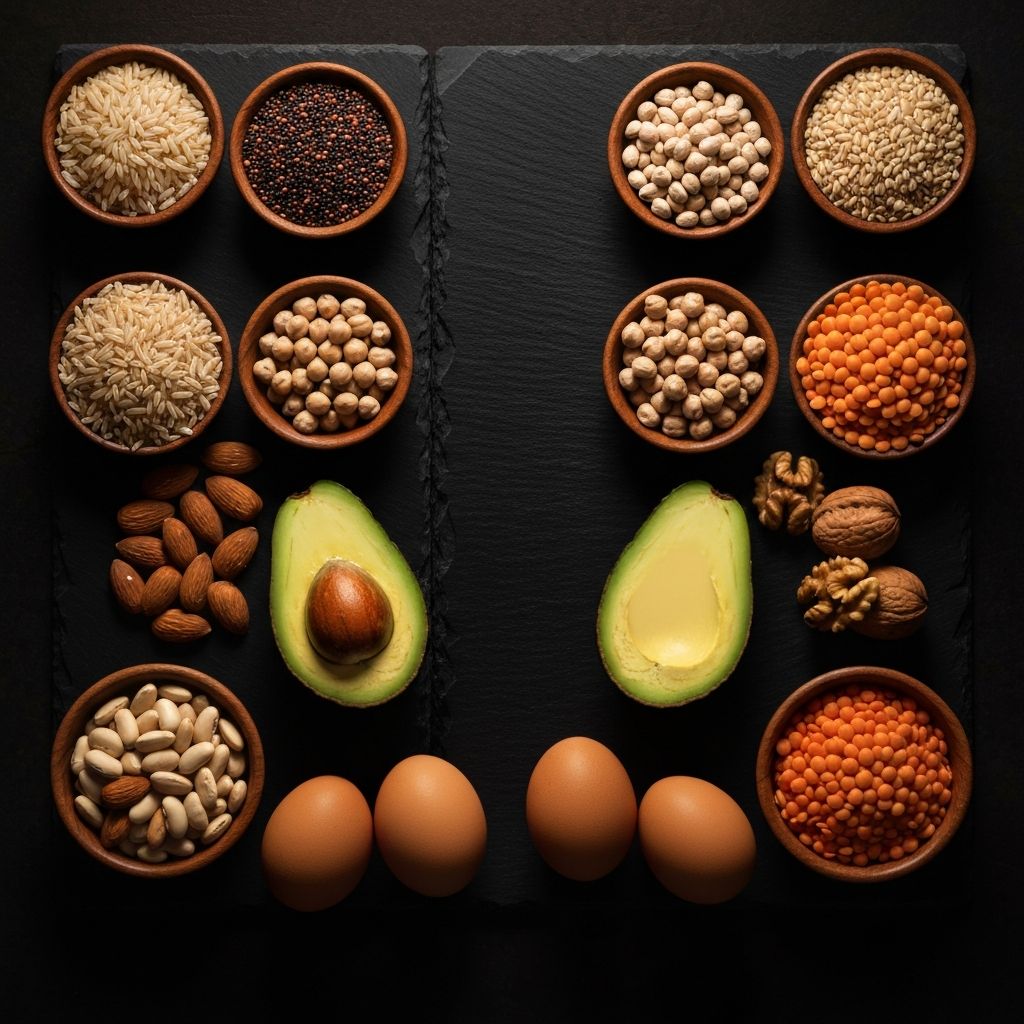
The body maintains energy homeostasis through the balanced intake and expenditure of calories derived from macronutrients. Proteins provide approximately four calories per gram, carbohydrates yield four calories per gram, and fats supply nine calories per gram.
Metabolic pathways convert these macronutrients into usable energy through complex biochemical processes. The efficiency of these conversions depends on numerous factors including enzymatic activity, hormonal regulation, and cellular health.
Micronutrients, though required in smaller quantities than macronutrients, are indispensable for maintaining optimal physiological function. These compounds include vitamins and minerals that participate in enzymatic reactions, cellular signaling, and structural maintenance.
| Micronutrient | Category | Primary Functions | Notable Sources |
|---|---|---|---|
| Vitamin A | Fat-Soluble Vitamin | Vision support, immune function, cellular differentiation | Leafy greens, orange vegetables, liver |
| Vitamin C | Water-Soluble Vitamin | Antioxidant activity, collagen synthesis, immune support | Citrus fruits, berries, peppers |
| Vitamin D | Fat-Soluble Vitamin | Calcium regulation, bone health, immune modulation | Sunlight exposure, fatty fish, fortified foods |
| B-Complex Vitamins | Water-Soluble Vitamins | Energy metabolism, nervous system function, DNA synthesis | Whole grains, legumes, animal products |
| Iron | Essential Mineral | Oxygen transport, cellular respiration, enzyme function | Red meat, legumes, fortified cereals |
| Calcium | Essential Mineral | Bone structure, muscle contraction, nerve transmission | Dairy products, leafy greens, fortified alternatives |
| Magnesium | Essential Mineral | Enzymatic reactions, protein synthesis, muscle function | Nuts, seeds, whole grains, dark chocolate |
| Zinc | Trace Mineral | Immune function, wound healing, protein synthesis | Shellfish, meat, legumes, seeds |
Water constitutes approximately sixty percent of adult body weight and participates in virtually every biological process. It serves as the medium for chemical reactions, facilitates nutrient transport, regulates body temperature, and maintains cellular structure.
The human body continuously loses water through respiration, perspiration, and excretion, necessitating regular fluid intake to maintain homeostasis. Dehydration can impair cognitive function, physical performance, and metabolic efficiency.
Fluid requirements vary based on environmental conditions, physical activity levels, and individual physiology. While water remains the primary source of hydration, fluids are also obtained from foods, particularly fruits and vegetables with high water content.
The sensation of thirst serves as a biological indicator of hydration status, though it may not always reflect immediate needs. Consistent fluid intake throughout the day supports optimal physiological function.
Dietary patterns are often organized around food groups, which represent categories of foods with similar nutritional characteristics. Understanding these groupings facilitates the construction of varied and nutritionally adequate diets.
These plant-based foods provide a concentrated source of vitamins, minerals, fiber, and phytochemicals. The diverse colors of vegetables and fruits often indicate the presence of specific nutrient compounds, with darker pigments generally signaling higher concentrations of beneficial substances.
Consumption of a wide variety of vegetables and fruits contributes to nutritional diversity and may support various aspects of physiological function. Both fresh and minimally processed options retain significant nutritional value.
Grains serve as a primary energy source in many dietary traditions, providing carbohydrates along with varying amounts of fiber, protein, and micronutrients. Whole grains retain their bran and germ layers, offering enhanced nutritional content compared to refined alternatives.
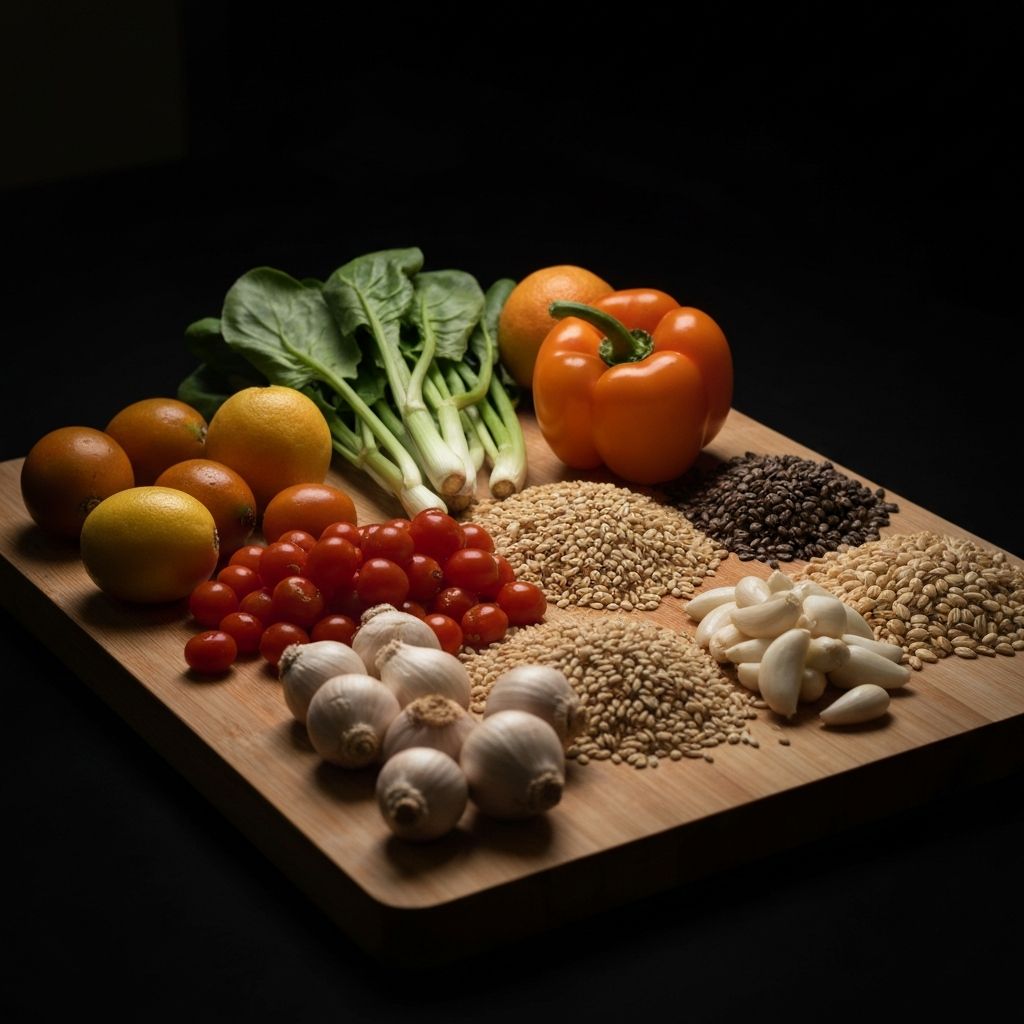
Mindful eating represents an approach to food consumption that emphasizes awareness, intention, and attention to the eating experience. This practice involves engaging with food through multiple senses and acknowledging physiological hunger and satiety signals.
The concept draws from principles of mindfulness, encouraging individuals to observe their relationship with food without judgment. By cultivating awareness of eating patterns, one may develop a more nuanced understanding of personal dietary preferences and responses.
Dietary variety involves consuming a wide range of foods from different categories, which provides exposure to a broader spectrum of nutrients and bioactive compounds. This approach supports nutritional adequacy and may contribute to overall dietary satisfaction.

Different foods contain distinct nutrient profiles. By incorporating diverse food sources, individuals increase the likelihood of obtaining adequate amounts of essential vitamins, minerals, and other beneficial compounds that may be concentrated in specific foods.

Plant foods contain thousands of bioactive compounds beyond traditional nutrients. Consuming a variety of plant-based foods exposes the body to diverse phytochemicals, each with unique molecular structures and potential biological activities.

A varied dietary approach reduces dependence on single food sources and allows for adaptation to seasonal availability, regional differences, and changing circumstances. This flexibility can enhance long-term dietary sustainability.
Seasonal eating involves aligning food consumption with the natural growing cycles of regional agriculture. This practice reflects historical patterns where dietary choices were necessarily linked to local production capabilities and harvest times.
Foods consumed shortly after harvest often retain optimal freshness and nutrient content. Seasonal availability also introduces natural variation into dietary patterns, promoting diversity throughout the year.
Local food systems emphasize consumption of products grown or produced within a defined geographic area. This approach can reduce the time between harvest and consumption, potentially preserving certain nutritional qualities.
Understanding seasonal patterns provides insight into the agricultural rhythms that have historically shaped regional food cultures and dietary traditions.
Leafy greens, asparagus, peas
Tomatoes, berries, stone fruits
Squash, apples, root vegetables
Stored grains, citrus, hearty greens
Food preparation methods influence both the nutritional composition and sensory properties of ingredients. Different techniques can alter nutrient bioavailability, enhance digestibility, and transform raw materials into varied culinary expressions.

Consuming foods in their uncooked state preserves heat-sensitive vitamins and enzymes. This approach is particularly common with fruits, vegetables, nuts, and seeds.

Techniques such as steaming, boiling, and simmering use water or steam to cook foods. These methods can make certain nutrients more accessible while potentially leaching water-soluble vitamins.

Roasting, baking, and grilling apply direct heat to foods, creating distinct flavors through chemical reactions. These methods can concentrate flavors and alter nutritional profiles.
Food practices are deeply embedded within cultural frameworks, reflecting historical developments, geographic conditions, religious traditions, and social structures. Dietary patterns transmit cultural identity across generations and adapt to changing circumstances while maintaining core elements.
Cultural food systems encompass not only ingredient selection but also preparation techniques, meal timing, eating contexts, and symbolic meanings assigned to specific foods. These systems represent accumulated knowledge about local food resources and their optimal utilization.
Culinary traditions represent a synthesis of environmental adaptation, available resources, and accumulated wisdom about food preparation and consumption patterns.